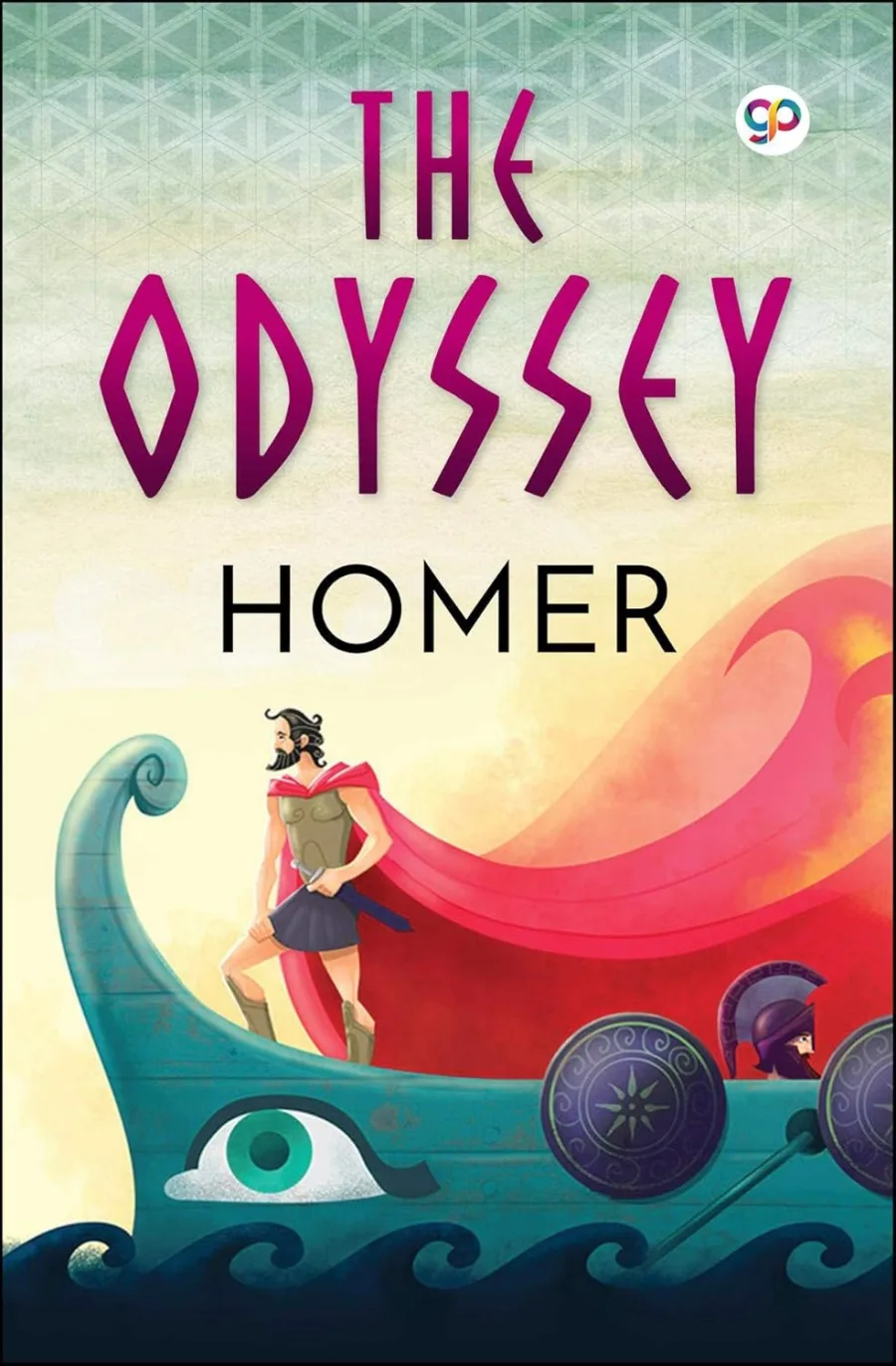
The Odyssey
eBook
• 192 Pages
• GBP 0.99
• English
• 9789389716221
No ratings yet
| Publisher | General Press |
|---|---|
| ISBN13 | 9789389716221 |
| ASIN/SKU | B086WPVL3V |
| Book Format | eBook |
| Language | English |
| Pages | 192 |
| List Price | GBP 0.99 |
| Publishing Date | 08/04/2020 |
| Book Code | BD00067107 |
Buy this Book
Amazon Stores
Ebook Stores
Other Stores
Discover The Odyssey by Homer. This book is published by General Press in eBook format, ISBN 9789389716221, ASIN B086WPVL3V, under History, Historical Fiction.
Book Description
Homer is known to have authored the first known literature of Europe. Homer's epic chronicle of the Greek hero Odysseus' journey home from the Trojan War has inspired writers from Virgil to James Joyce. Odysseus survives storm and shipwreck, the cave of the Cyclops and the isle of Circe, the lure of the Sirens' song and a trip to the Underworld, only to find his most difficult challenge at home, where treacherous suitors seek to steal his kingdom and his loyal wife.
With real poetic power... his book is one no lover of living poetry should miss. -The New York Times
The metadata of this book has been prepared at Booksdata .org.
With real poetic power... his book is one no lover of living poetry should miss. -The New York Times
The metadata of this book has been prepared at Booksdata .org.
Author Biography
Homer was probably born around 725BC on the Coast of Asia Minor, now the coast of Turkey, but then really a part of Greece. Homer was the first Greek writer whose work survives.
He was one of a long line of bards, or poets, who worked in the oral tradition. Homer and other bards of the time could recite, or chant, long epic poems. Both works attributed to Homer - The Iliad and The Odyssey - are over ten thousand lines long in the original. Homer must have had an amazing memory but was helped by the formulaic poetry style of the time.
In The Iliad Homer sang of death and glory, of a few days in the struggle between the Greeks and the Trojans. Mortal men played out their fate under the gaze of the gods. The Odyssey is the original collection of tall traveller's tales. Odysseus, on his way home from the Trojan War, encounters all kinds of marvels from one-eyed giants to witches and beautiful temptresses. His adventures are many and memorable before he gets back to Ithaca and his faithful wife Penelope.
We can never be certain that both these stories belonged to Homer. In fact 'Homer' may not be a real name but a kind of nickname meaning perhaps 'the hostage' or 'the blind one'. Whatever the truth of their origin, the two stories, developed around three thousand years ago, may well still be read in three thousand years' time.
He was one of a long line of bards, or poets, who worked in the oral tradition. Homer and other bards of the time could recite, or chant, long epic poems. Both works attributed to Homer - The Iliad and The Odyssey - are over ten thousand lines long in the original. Homer must have had an amazing memory but was helped by the formulaic poetry style of the time.
In The Iliad Homer sang of death and glory, of a few days in the struggle between the Greeks and the Trojans. Mortal men played out their fate under the gaze of the gods. The Odyssey is the original collection of tall traveller's tales. Odysseus, on his way home from the Trojan War, encounters all kinds of marvels from one-eyed giants to witches and beautiful temptresses. His adventures are many and memorable before he gets back to Ithaca and his faithful wife Penelope.
We can never be certain that both these stories belonged to Homer. In fact 'Homer' may not be a real name but a kind of nickname meaning perhaps 'the hostage' or 'the blind one'. Whatever the truth of their origin, the two stories, developed around three thousand years ago, may well still be read in three thousand years' time.
Editorial Reviews
Clever, humane, with gasp-out-loud twists, it’s a story that lingers in the mind long after the last page. — EVE CHASE
One of the most reliable names in unputdownable suspense. — iPaper
With The Family Friend, Claire Douglas has once again upped her already high game. A captivating and powerful story of the past and present coming together and dark secrets that won’t stay buried. Superb! — BA Paris
A pacy gripping thriller that fans will lap up — PRIMA
Dark and addictive... This thriller has got it all...you'll be hooked! — BEST
Another addictive read — My Weekly
Suspense and intrigue all the way — Sun
A chilling story of legacy, memory and buried evil. I was absorbed from the first to last page. — ELLY GRIFFITHS
Gripping — iNews
One of the most reliable names in unputdownable suspense. — iPaper
With The Family Friend, Claire Douglas has once again upped her already high game. A captivating and powerful story of the past and present coming together and dark secrets that won’t stay buried. Superb! — BA Paris
A pacy gripping thriller that fans will lap up — PRIMA
Dark and addictive... This thriller has got it all...you'll be hooked! — BEST
Another addictive read — My Weekly
Suspense and intrigue all the way — Sun
A chilling story of legacy, memory and buried evil. I was absorbed from the first to last page. — ELLY GRIFFITHS
Gripping — iNews
Book Summary
The Odyssey by Homer is one of the greatest epic poems in world literature, telling the story of Odysseus, the clever king of Ithaca, and his long journey home after the end of the Trojan War. Although the war itself lasted ten years, Odysseus spends another ten years trying to return to his wife, Penelope, and his son, Telemachus. Along the way, he faces dangerous monsters, angry gods, powerful temptations, and countless hardships that test his courage, intelligence, and determination. More than an adventure story, the poem explores themes of loyalty, perseverance, justice, and the importance of home and family.
The story begins not with Odysseus, but with his son, Telemachus, who has grown into a young man while waiting for his father’s return. For years, many noblemen have gathered in Odysseus’s palace, believing that the king is dead. These men, known as the suitors, compete for the hand of Queen Penelope while enjoying the family's wealth and refusing to leave. Penelope remains faithful to her missing husband and cleverly delays choosing a new husband by claiming she must first finish weaving a burial cloth. Every night, she secretly undoes the work she completed during the day, allowing her to postpone the decision.
Encouraged by the goddess Athena, who favors Odysseus, Telemachus sets out on a journey to learn what happened to his father. He visits several Greek leaders who fought in the Trojan War, hoping to gather news. Although no one knows exactly where Odysseus is, Telemachus gains confidence and maturity through his travels, preparing himself for the responsibilities he may soon have to face.
Meanwhile, Odysseus is being held captive on the island of the beautiful nymph Calypso, who has fallen in love with him and wants him to remain with her forever. Although she offers him immortality, Odysseus longs only to return home. The gods eventually decide that he has suffered enough, and Zeus orders Calypso to release him. She reluctantly helps him build a raft, allowing him to continue his journey.
As Odysseus sails across the sea, the sea god Poseidon, still angry because Odysseus blinded his son, the Cyclops Polyphemus, creates a violent storm that destroys the raft. Barely surviving, Odysseus washes ashore in the land of the Phaeacians. There he is welcomed by the kind King Alcinous and Queen Arete. During a feast, Odysseus finally reveals his identity and recounts the incredible adventures that have delayed his return home.
He tells of leaving Troy with his fleet and first encountering the Cicones, where his men are driven away after attacking the city. They later arrive among the Lotus-Eaters, whose magical fruit causes people to forget their desire to return home. Odysseus rescues his men before they lose themselves forever. One of his most famous adventures occurs when he and his companions enter the cave of the giant Cyclops Polyphemus. After the monster traps them and eats several of his men, Odysseus devises a clever escape by blinding the Cyclops while he sleeps. However, after escaping, Odysseus proudly reveals his name, allowing Polyphemus to pray to Poseidon for revenge, bringing years of suffering upon him.
Odysseus next visits Aeolus, the ruler of the winds, who gives him a bag containing all the dangerous winds while leaving only the favorable breeze to carry him home. His curious crew mistakenly opens the bag just as Ithaca comes into sight, sending the ship far away once again. Later they encounter the fierce Laestrygonians, whose attacks destroy nearly all of Odysseus's ships.
Another major challenge comes on the island of the sorceress Circe, who transforms many of his men into pigs. With help from the god Hermes, Odysseus resists her magic, forces her to restore his companions, and remains on her island for a year. Before leaving, Circe advises him to travel to the Underworld, where he speaks with the prophet Tiresias. There he learns about the dangers still ahead and receives warnings about how to reach home safely.
Odysseus continues his journey by surviving the deadly songs of the Sirens, whose beautiful voices lure sailors to destruction. Following Circe’s advice, he has his crew plug their ears with wax while he is tied securely to the mast so he can hear the songs without steering the ship toward danger. He then sails between the sea monsters Scylla and Charybdis, losing several men but saving the rest of the crew.
Eventually, his companions ignore his orders and kill the sacred cattle belonging to the sun god Helios. As punishment, Zeus destroys their ship with a thunderbolt, killing everyone except Odysseus. Alone once again, he drifts across the sea until he reaches Calypso’s island, where he remains trapped for many years before finally being released.
After hearing his remarkable story, the generous Phaeacians provide Odysseus with a ship and safely return him to Ithaca while he sleeps. Athena disguises him as an old beggar so he can secretly observe what has happened in his kingdom. He reunites with Telemachus, and together they plan to reclaim the palace from the suitors.
Inside the palace, Odysseus patiently endures insults and mistreatment while disguised. Penelope, still uncertain whether her husband is alive, announces a contest to determine who will marry her. The challenge is to string Odysseus's great bow and shoot an arrow through twelve axe heads. None of the suitors can even string the bow. The disguised Odysseus easily completes the task before revealing his true identity. With Telemachus and a few loyal servants beside him, he defeats the suitors in a fierce battle, restoring justice to his home.
Although Penelope hopes the man before her is truly her husband, she wisely tests him before accepting him. When Odysseus correctly describes the secret of their marriage bed, which only the two of them know, she is convinced that he has finally returned. Husband and wife are joyfully reunited after twenty years apart. Peace is eventually restored to Ithaca through the intervention of Athena, ending the cycle of violence.
The Odyssey is far more than an exciting tale of adventure. It is a timeless story about resilience, wisdom, loyalty, and the enduring desire to return home. Through Odysseus’s long and difficult journey, Homer shows that true strength comes not only from physical courage but also from intelligence, patience, and the ability to remain hopeful despite overwhelming challenges. The epic continues to inspire readers because its themes of family, identity, and perseverance remain as meaningful today as they were thousands of years ago.
The story begins not with Odysseus, but with his son, Telemachus, who has grown into a young man while waiting for his father’s return. For years, many noblemen have gathered in Odysseus’s palace, believing that the king is dead. These men, known as the suitors, compete for the hand of Queen Penelope while enjoying the family's wealth and refusing to leave. Penelope remains faithful to her missing husband and cleverly delays choosing a new husband by claiming she must first finish weaving a burial cloth. Every night, she secretly undoes the work she completed during the day, allowing her to postpone the decision.
Encouraged by the goddess Athena, who favors Odysseus, Telemachus sets out on a journey to learn what happened to his father. He visits several Greek leaders who fought in the Trojan War, hoping to gather news. Although no one knows exactly where Odysseus is, Telemachus gains confidence and maturity through his travels, preparing himself for the responsibilities he may soon have to face.
Meanwhile, Odysseus is being held captive on the island of the beautiful nymph Calypso, who has fallen in love with him and wants him to remain with her forever. Although she offers him immortality, Odysseus longs only to return home. The gods eventually decide that he has suffered enough, and Zeus orders Calypso to release him. She reluctantly helps him build a raft, allowing him to continue his journey.
As Odysseus sails across the sea, the sea god Poseidon, still angry because Odysseus blinded his son, the Cyclops Polyphemus, creates a violent storm that destroys the raft. Barely surviving, Odysseus washes ashore in the land of the Phaeacians. There he is welcomed by the kind King Alcinous and Queen Arete. During a feast, Odysseus finally reveals his identity and recounts the incredible adventures that have delayed his return home.
He tells of leaving Troy with his fleet and first encountering the Cicones, where his men are driven away after attacking the city. They later arrive among the Lotus-Eaters, whose magical fruit causes people to forget their desire to return home. Odysseus rescues his men before they lose themselves forever. One of his most famous adventures occurs when he and his companions enter the cave of the giant Cyclops Polyphemus. After the monster traps them and eats several of his men, Odysseus devises a clever escape by blinding the Cyclops while he sleeps. However, after escaping, Odysseus proudly reveals his name, allowing Polyphemus to pray to Poseidon for revenge, bringing years of suffering upon him.
Odysseus next visits Aeolus, the ruler of the winds, who gives him a bag containing all the dangerous winds while leaving only the favorable breeze to carry him home. His curious crew mistakenly opens the bag just as Ithaca comes into sight, sending the ship far away once again. Later they encounter the fierce Laestrygonians, whose attacks destroy nearly all of Odysseus's ships.
Another major challenge comes on the island of the sorceress Circe, who transforms many of his men into pigs. With help from the god Hermes, Odysseus resists her magic, forces her to restore his companions, and remains on her island for a year. Before leaving, Circe advises him to travel to the Underworld, where he speaks with the prophet Tiresias. There he learns about the dangers still ahead and receives warnings about how to reach home safely.
Odysseus continues his journey by surviving the deadly songs of the Sirens, whose beautiful voices lure sailors to destruction. Following Circe’s advice, he has his crew plug their ears with wax while he is tied securely to the mast so he can hear the songs without steering the ship toward danger. He then sails between the sea monsters Scylla and Charybdis, losing several men but saving the rest of the crew.
Eventually, his companions ignore his orders and kill the sacred cattle belonging to the sun god Helios. As punishment, Zeus destroys their ship with a thunderbolt, killing everyone except Odysseus. Alone once again, he drifts across the sea until he reaches Calypso’s island, where he remains trapped for many years before finally being released.
After hearing his remarkable story, the generous Phaeacians provide Odysseus with a ship and safely return him to Ithaca while he sleeps. Athena disguises him as an old beggar so he can secretly observe what has happened in his kingdom. He reunites with Telemachus, and together they plan to reclaim the palace from the suitors.
Inside the palace, Odysseus patiently endures insults and mistreatment while disguised. Penelope, still uncertain whether her husband is alive, announces a contest to determine who will marry her. The challenge is to string Odysseus's great bow and shoot an arrow through twelve axe heads. None of the suitors can even string the bow. The disguised Odysseus easily completes the task before revealing his true identity. With Telemachus and a few loyal servants beside him, he defeats the suitors in a fierce battle, restoring justice to his home.
Although Penelope hopes the man before her is truly her husband, she wisely tests him before accepting him. When Odysseus correctly describes the secret of their marriage bed, which only the two of them know, she is convinced that he has finally returned. Husband and wife are joyfully reunited after twenty years apart. Peace is eventually restored to Ithaca through the intervention of Athena, ending the cycle of violence.
The Odyssey is far more than an exciting tale of adventure. It is a timeless story about resilience, wisdom, loyalty, and the enduring desire to return home. Through Odysseus’s long and difficult journey, Homer shows that true strength comes not only from physical courage but also from intelligence, patience, and the ability to remain hopeful despite overwhelming challenges. The epic continues to inspire readers because its themes of family, identity, and perseverance remain as meaningful today as they were thousands of years ago.
Sample Chapters
Sample Chapters will be added soon…
Reader Reviews
No reviews yet.
The Odyssey